Strength training for beginners is a structured approach to building muscle, increasing bone density, and improving functional fitness using resistance. A safe starting point involves mastering basic movement patterns with bodyweight or light weights before progressively adding heavier loads to ensure proper form and prevent injury over time.
Why is strength training for beginners so important?
Starting a resistance program offers benefits that go far beyond physical appearance. According to research from the National Institutes of Health (PubMed National Library of Medicine), resistance training increases bone mineral density and combats age-related sarcopenia. Sarcopenia is the natural process of muscle loss, which typically begins around age 30 at a rate of three to eight percent loss per decade. Engaging in strength training for beginners establishes a foundation to counteract this decline, keeping your body resilient and capable as you age.
Beyond bone and muscle health, learning to move resistance safely improves joint stability and core strength. For individuals who are intimidated by the weight room, understanding that every expert was once a beginner can help reframe the experience. The goal is not to lift the heaviest weight on day one, but to learn how your body moves through space and how to recruit the right muscles for the job.
How many days a week should a beginner strength train?
For those establishing a new routine, consistency matters more than extreme frequency. Major health authorities, including the Centers for Disease Control and Prevention (CDC) and the U.S. Department of Health and Human Services Physical Activity Guidelines for Americans, recommend that adults participate in muscle-strengthening activities involving all major muscle groups at least two days a week.
Committing to two days a week allows ample time for muscle recovery, which is when the actual physical adaptations occur. A common approach for strength training for beginners is to perform full-body workouts on non-consecutive days, such as Monday and Thursday, or Tuesday and Friday. As your work capacity increases and your body adapts to the stress of lifting, you can gradually increase your training frequency to three or four days a week, splitting the focus between upper and lower body movements.
Should beginners start with bodyweight or heavy barbell lifts?
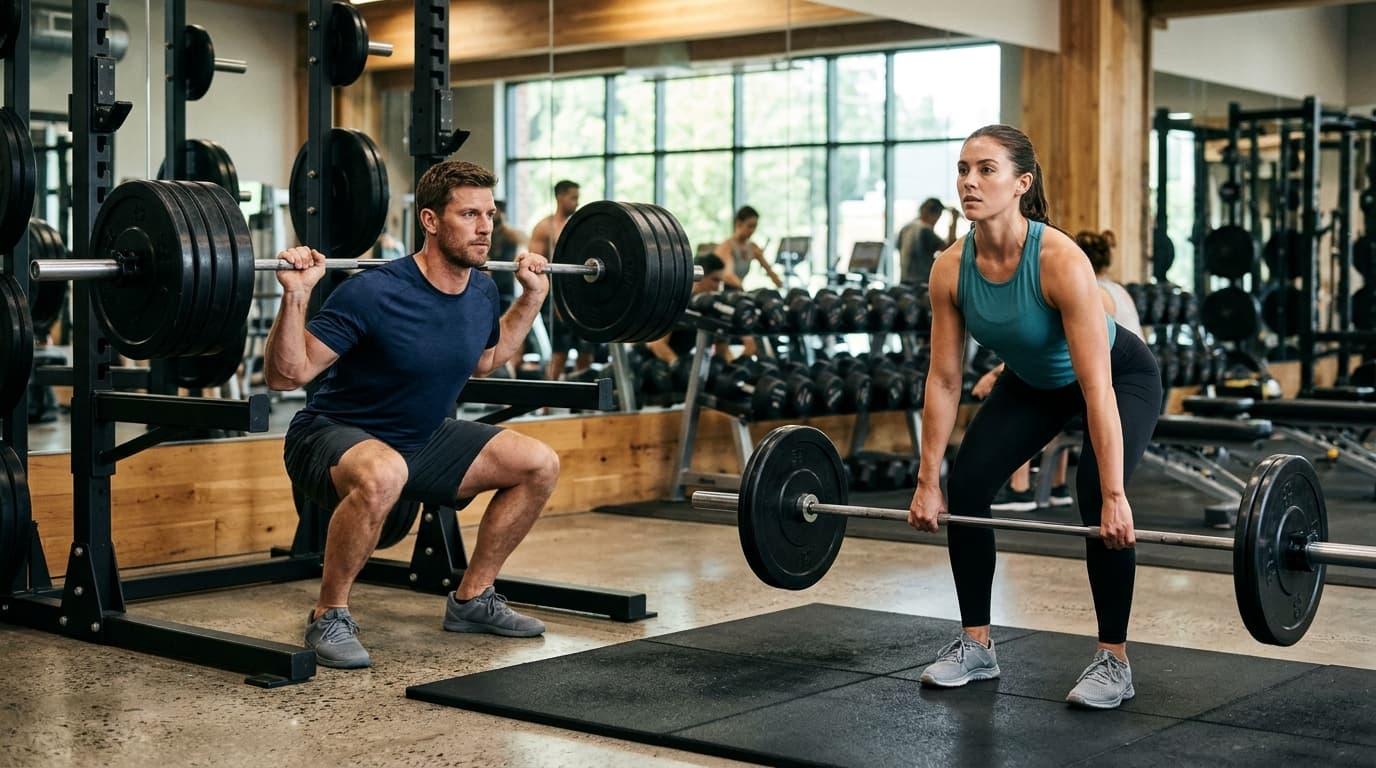
When exploring strength training for beginners, you will encounter differing opinions on the best way to start. Public health institutions, such as the NHS and healthdirect, often advise starting exclusively with bodyweight exercises, light resistance bands, or light dumbbells before touching heavy equipment. Conversely, traditional powerlifting frameworks advocate for the immediate insertion of heavy, low-rep barbell compound lifts like squats, deadlifts, and presses three days per week.
Because sources disagree on the optimal beginner progression, it is highly recommended to check with a fitness professional instead of picking a method blindly. A coach can assess your mobility, injury history, and baseline strength to recommend the safest starting point for you. Generally, mastering the mechanics of a movement with your own bodyweight or an empty barbell ensures that you have the requisite mobility and stability before adding heavy loads.
Regardless of the tools you use, the underlying principle of success is progressive overload. Progressive overload means gradually increasing the challenge placed on your muscles over time. This can be achieved by adding weight, increasing the number of repetitions, or slowing down the tempo of the exercise. Simply showing up and lifting the same light dumbbells for the same number of reps month after month will not yield continued results.
How does strength training connect to functional fitness events?
Many individuals seek out strength training for beginners as a stepping stone toward participating in hybrid and functional fitness events. Building a baseline of raw strength makes moving your body and external objects over long distances significantly easier. Functional fitness events test how well you can apply your strength in dynamic, high-heart-rate scenarios.
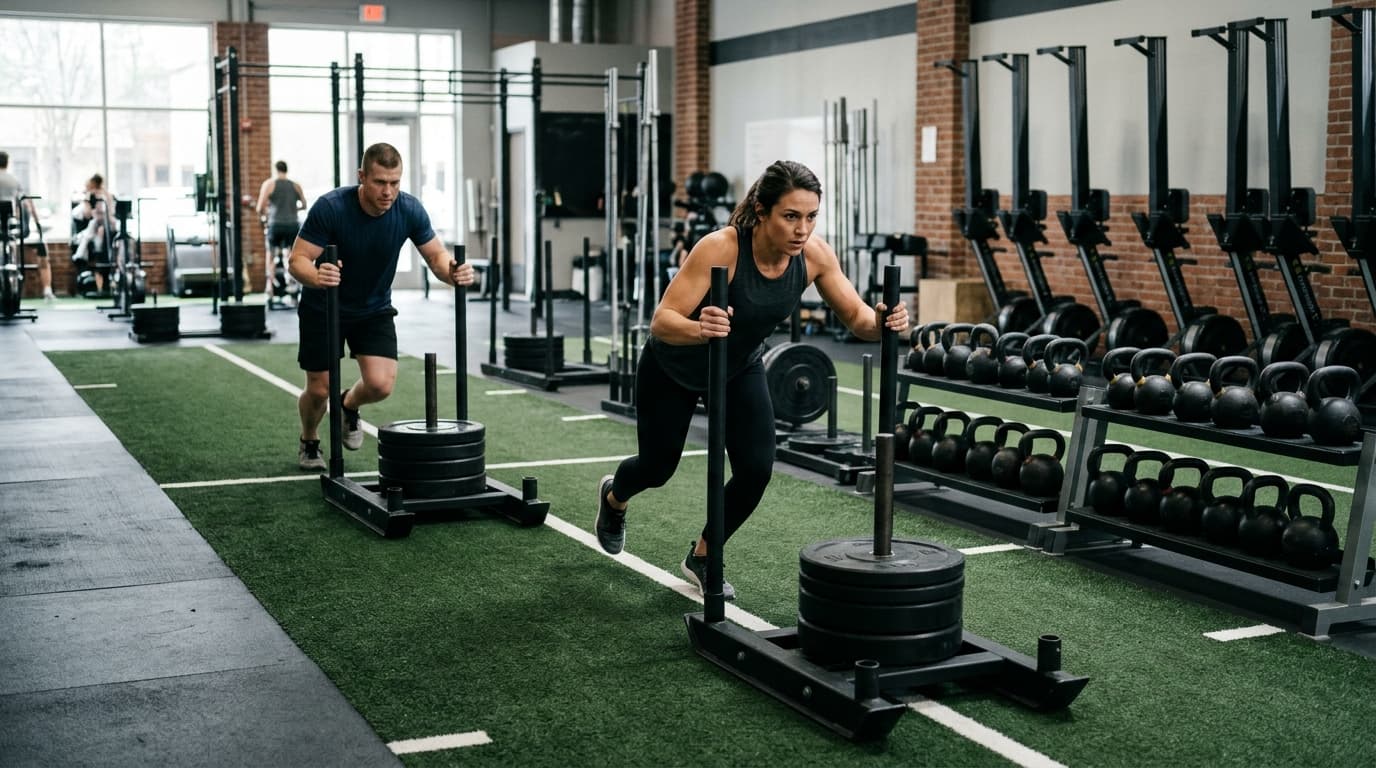
For example, a standard HYROX race includes eight one-kilometer runs combined with eight functional movement stations. According to the Official HYROX Rulebook and World Fitness Race Standards, these stations include the Sled Push, Sled Pull, Burpee Broad Jumps, Rowing, Farmers Carry, Sandbag Lunges, and Wall Balls. Without a solid foundation of basic strength, pushing a heavy sled or carrying kettlebells for distance can quickly lead to fatigue or poor form.
Similarly, DEKA events (such as DEKA FIT, DEKA MILE, and DEKA STRONG) use ten standardized functional zones. The Official Spartan DEKA Rules and Regulations outline movements featuring predefined tasks like RAM Alt Reverse Lunges, RAM Burpees, Tank Sled Push/Pull, and the SkiErg. A structured beginner weight lifting routine that emphasizes squats, lunges, pushing, and pulling directly translates to improved performance and resilience in these functional zones.
What is a safe strength training routine for beginners?
A well-rounded routine for strength training for beginners focuses on fundamental movement patterns rather than isolating individual muscles. The primary movement patterns include the squat, the hinge (deadlift), the push (overhead or horizontal), the pull (rows or pull-downs), and core stabilization.
Below is an example of a simple, two-day full-body routine designed to teach these fundamental patterns safely:
| Movement Pattern | Day 1 Exercise | Day 2 Exercise | Sets x Reps |
|---|---|---|---|
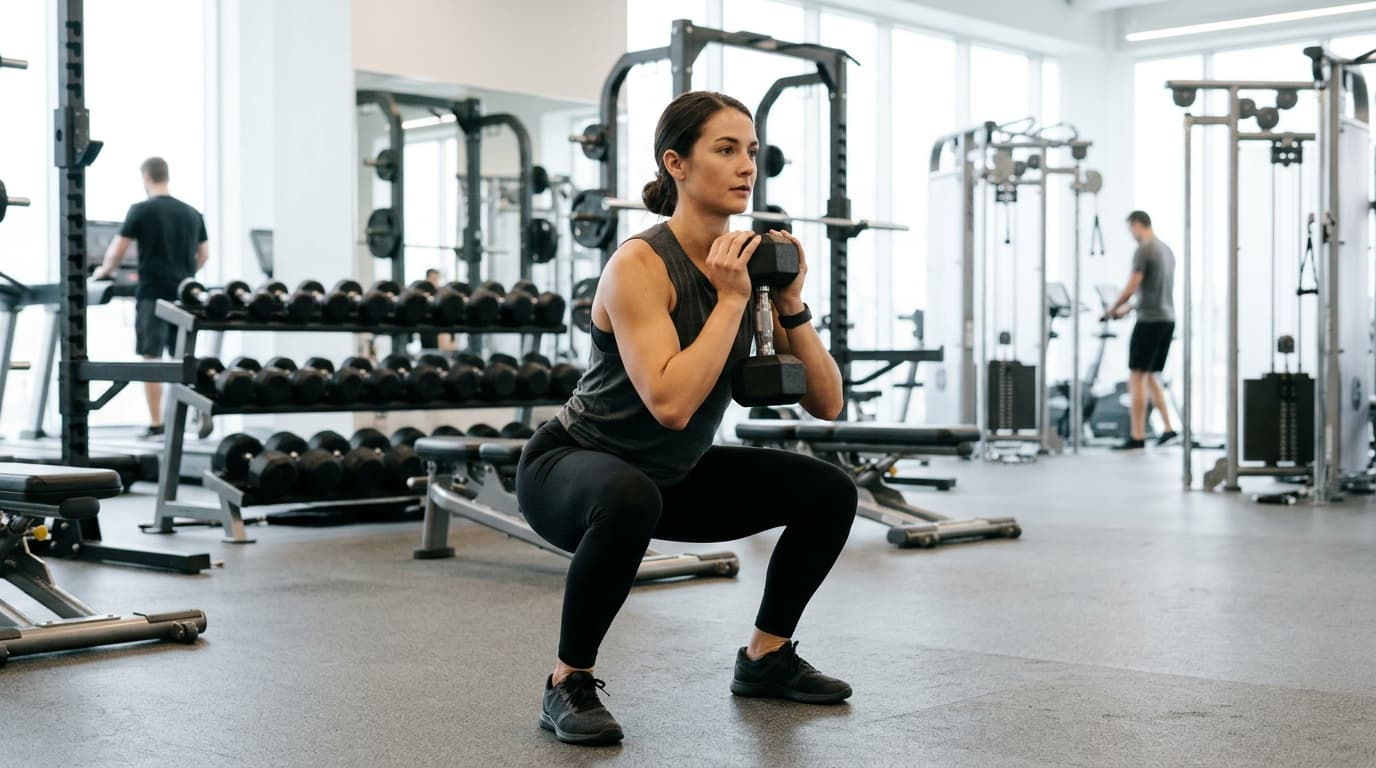
| Squat | Goblet Squat (Dumbbell or Kettlebell) | Bodyweight Box Squat | 3 x 8-10 |
| Hinge | Glute Bridge | Kettlebell Romanian Deadlift | 3 x 10-12 |
| Push | Incline Push-Up (Hands on bench) | Seated Dumbbell Shoulder Press | 3 x 8-10 |
| Pull | Dumbbell Row (Supported on bench) | Lat Pulldown or Banded Row | 3 x 10-12 |
| Core / Carry | Forearm Plank | Farmer's Carry (Moderate weight) | 3 x 30 seconds |
When executing these movements, prioritize control. Lower the weight slowly, pause briefly, and return to the starting position with intent. If you experience sharp pain, stop immediately and consult a professional. Muscle soreness is a normal part of the adaptation process, but sharp joint pain is a signal that your form or load needs adjustment.
How much protein do beginners need to build muscle?
Nutrition plays an equally important role as the time you spend lifting weights. To support muscle hypertrophy (growth) and recovery during strength training, your body requires adequate building blocks in the form of dietary protein.
According to the International Society of Sports Nutrition (ISSN Position Stand), the recommended protein intake for active individuals ranges from 1.2 to 2.0 grams of protein per kilogram of body weight per day. Consuming protein evenly throughout the day helps optimize muscle protein synthesis, ensuring your body has the resources it needs to repair the micro-tears created during your workouts.
While whole foods like lean meats, eggs, dairy, and legumes should make up the majority of your diet, high-quality supplements can help bridge the gap when you are short on time. SVRN Core partners with Transparent Labs to provide clean, third-party tested supplements. If you are struggling to hit your daily protein targets, a high-quality whey or plant-based protein powder can be a convenient addition to your routine. You can learn more about the products we trust on our Supplements page. Always consult a registered dietitian to tailor nutritional advice to your specific needs.
Key takeaways for beginner weight lifting
- Start light and focus on form: Master the mechanics of squats, hinges, pushes, and pulls before adding heavy resistance.
- Train two days a week: The CDC recommends hitting all major muscle groups at least twice weekly for optimal health benefits.
- Apply progressive overload: To see continuous results, you must gradually increase the difficulty of your workouts over time.
- Fuel your recovery: Aim for 1.2 to 2.0 grams of protein per kilogram of body weight daily to support muscle repair.
- Build a foundation for hybrid fitness: Basic strength is the prerequisite for safely competing in functional events like HYROX and DEKA.
Strength training for beginners in San Antonio
San Antonio experiences intense summer heat, with temperatures consistently topping 100 degrees and high humidity levels, making a climate-controlled gym essential for safe year-round strength and conditioning. SVRN Core is a faith-driven strength and conditioning gym in San Antonio offering a premium, air-conditioned environment where everyone is welcome, regardless of faith. Whether you are picking up a dumbbell for the first time or looking to build a foundation for local functional fitness events, our facility provides the right equipment and atmosphere to help you succeed. Explore our training floor and community space by visiting The Arena.
Ready to start your strength journey?
Taking the first step into a gym can be intimidating, but you do not have to do it alone. At SVRN Core, we provide the structure, equipment, and community support you need to build muscle safely and effectively. Check out our Memberships to find the right option for your goals, or visit our Classes page to see our weekly schedule. If you have any questions about getting started, reach out through our Contact page today.