To answer the question of how much protein do you need to build muscle, research shows you should aim for 0.7 to 1.0 grams per pound of body weight daily. This translates to roughly 1.6 to 2.2 grams per kilogram, providing the optimal building blocks for muscle protein synthesis and recovery.
Exactly how much protein do you need to build muscle?
For individuals aiming to build muscle mass, peer-reviewed meta-analyses recommend a daily intake of 1.6 to 2.2 grams of protein per kilogram of body weight. This is approximately 0.7 to 1.0 grams per pound of body weight.
Many beginners confuse the baseline requirements for survival with the optimal requirements for athletic performance. The National Institutes of Health sets the Recommended Dietary Allowance (RDA) for a sedentary adult at just 0.8 grams of protein per kilogram of body weight per day. However, this number represents the absolute minimum amount required to prevent a nutritional deficiency, not the target for pushing your body to grow new muscle tissue.
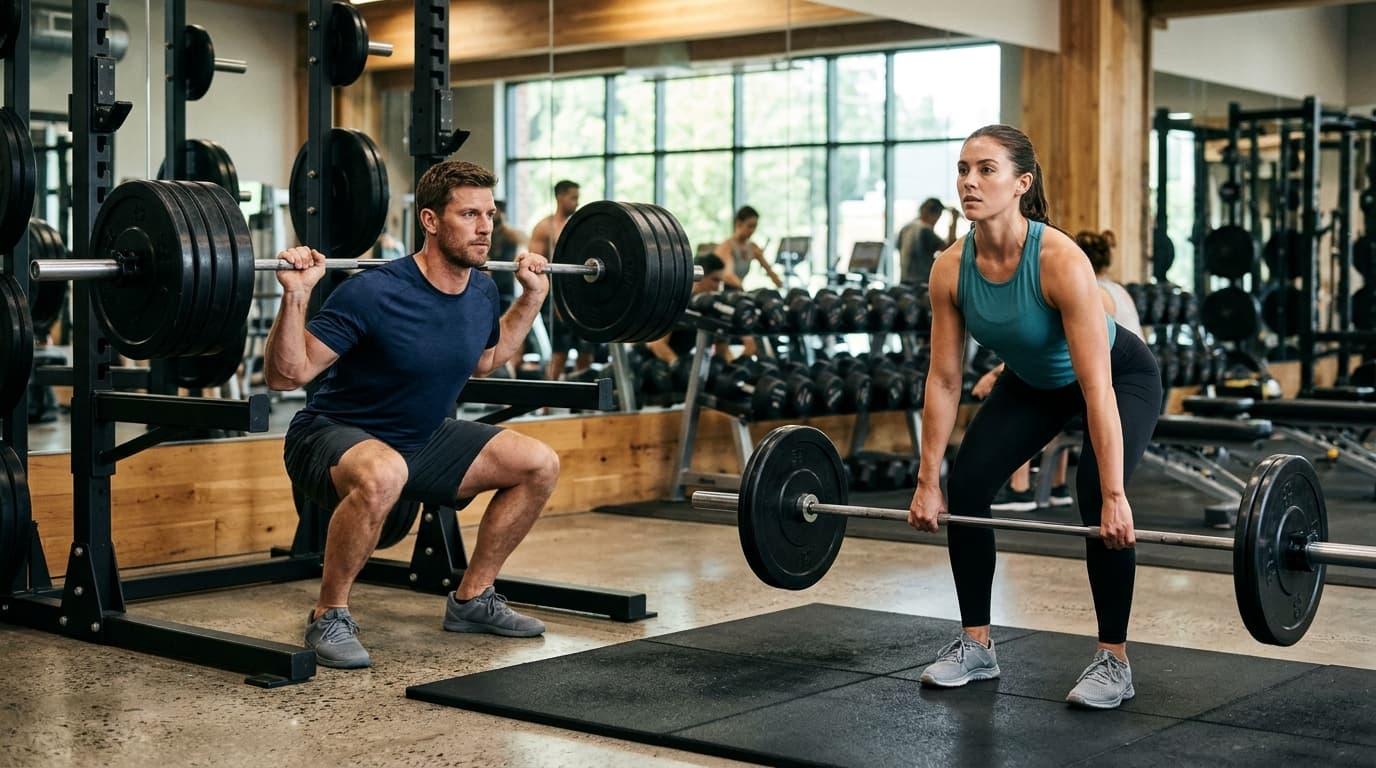
When you engage in intense resistance training, you create microscopic tears in your muscle fibers. Protein provides the essential amino acids required to repair these tears, building the muscle back thicker and stronger. If you weigh 180 pounds, aiming for the higher end of the spectrum means consuming around 180 grams of protein daily. Hitting this target consistently provides your body with a steady supply of amino acids, ensuring that your hard work on the gym floor translates into measurable strength and size gains.
It is also important to note that consuming excessive amounts of protein does not automatically result in more muscle. Academic and military nutrition sources note that intakes above 1.7 to 2.2 grams per kilogram yield no additional muscle-building benefit for individuals in a caloric balance. Always consult with a registered dietitian to find the exact target that fits your body composition goals.
How much protein should you eat per meal for optimal growth?
Spreading your protein intake across three to four meals containing 20 to 40 grams of high-quality protein optimizes muscle protein synthesis throughout the day. According to guidelines from the Brooke Army Medical Center Outpatient Nutrition Clinic, this per-meal distribution is highly effective for active individuals.
Your body does not store protein for later use in the same way it stores carbohydrates as glycogen or dietary fat as adipose tissue. Because of this, eating one massive protein-heavy meal a day is less efficient for muscle growth than dividing your intake evenly. When you consume a meal with 20 to 40 grams of protein, you maximize the muscle protein synthesis response for several hours. Once that response returns to baseline, another protein-rich meal triggers the process again.
For many athletes, starting the day with at least 30 grams of protein at breakfast sets a solid foundation. Whether you choose whole food sources like eggs, lean meats, and dairy, or utilize a high-quality supplement, consistency across your meals is the key. If you struggle to hit your daily targets through whole foods alone, supplementing can bridge the gap, but whole foods should always form the foundation of your diet.
Remember, while protein is vital, the quality of your protein matters. Complete proteins containing all nine essential amino acids are the most effective at triggering muscle growth. Animal products naturally contain complete proteins, while plant-based athletes may need to combine different protein sources to achieve the same amino acid profile.
Does protein intake change when you are losing fat?
Athletes undergoing fat loss or energy deficits require higher protein targets—between 1.8 to 2.7 grams per kilogram of body weight—to preserve lean body mass while shedding fat. Research from McMaster University, cited via the University of Toronto Mississauga, and guidelines from UCLA Health highlight this increased need during a caloric deficit.
When you consume fewer calories than you burn to lose body fat, your body looks for alternative energy sources. If your protein intake is too low, the body may begin breaking down your hard-earned muscle tissue for energy. By elevating your protein intake up to 2.3 grams per kilogram (or higher in some clinical guidance), you signal your body to hold onto muscle mass while prioritizing fat stores for fuel.
This phase, often called "cutting" or "body recomposition," requires precise nutritional tracking. The increased protein not only protects your muscle tissue but also provides a high thermic effect, meaning your body burns more calories digesting protein than it does digesting fats or carbohydrates. Additionally, protein is highly satiating, which helps control hunger cravings when you are eating in a caloric deficit.
Navigating a caloric deficit while trying to maintain strength requires balance. While protein needs increase, you still need adequate fuel to train hard. Always talk to a physician or a registered dietitian before starting a severe caloric deficit or drastically altering your macronutrient breakdown.
Do you need to drink a protein shake right after your workout?
Consuming protein within one to two hours post-workout assists with muscle repair, but your total daily protein intake remains the primary driver of overall muscle growth. According to the Hartford HealthCare Bone & Joint Institute, the overall daily volume of protein is far more important than exact timing.
For decades, fitness culture heavily promoted the concept of the "anabolic window"—a strict 30-minute timeframe immediately following a workout where protein consumption was supposedly mandatory for muscle growth. Traditional bodybuilders stress this immediate window, whereas modern clinical dietitians state that the timing window actually extends up to several hours.
When sources disagree on precise timing, the consensus always falls back to total daily intake. If you meet your daily target of 0.7 to 1.0 grams per pound of body weight, missing a post-workout shake by an hour will not derail your progress. The food you ate before your workout is often still digesting and supplying amino acids to your muscles while you train.
That said, having a protein shake or a protein-rich meal after training is a convenient and effective way to kickstart the recovery process. It ensures you get a quick dose of amino acids when your muscles are primed to absorb them, but you do not need to rush to the locker room to chug a shake the second you finish your last set.
Are carbohydrates just as important as protein for strength training?
Consuming protein at the expense of carbohydrates can reduce workout capacity and training intensity, as carbohydrates are required to fuel high-intensity resistance workouts. Guidelines from the Joint Base San Antonio Department of Clinical Dietetics emphasize that carbohydrates are a critical energy source for athletes.
Many high-protein diets overemphasize protein to the point of neglecting carbohydrates. When you perform heavy resistance training or high-intensity interval training, your body relies on glycogen—stored carbohydrates in the muscles—for immediate, fast-acting energy. If your glycogen stores are depleted because you cut carbs to eat more protein, your performance will suffer.
Without adequate carbohydrates, you cannot lift as heavy, run as fast, or sustain intensity for as long. Since muscle growth requires progressive overload—forcing the muscles to do more work over time—a lack of training intensity directly limits your ability to build muscle. Carbohydrates also trigger an insulin response, which is highly anabolic and helps shuttle nutrients, including amino acids, into the muscle cells for repair.
For hybrid athletes who balance heavy lifting with endurance work, carbohydrates are non-negotiable. Finding the right balance between protein for recovery and carbohydrates for fuel is the cornerstone of effective sports nutrition. If you are unsure how to balance your macros, a registered dietitian can help you build a plan tailored to your specific training demands.
How do hybrid athletes fuel for HYROX and DEKA events?
Hybrid athletes training for events like HYROX and DEKA require high protein targets to recover from resistance training, paired with robust carbohydrate intake to support significant aerobic demands. Balancing these two macronutrients ensures optimal recovery and sustained endurance across multiple disciplines.
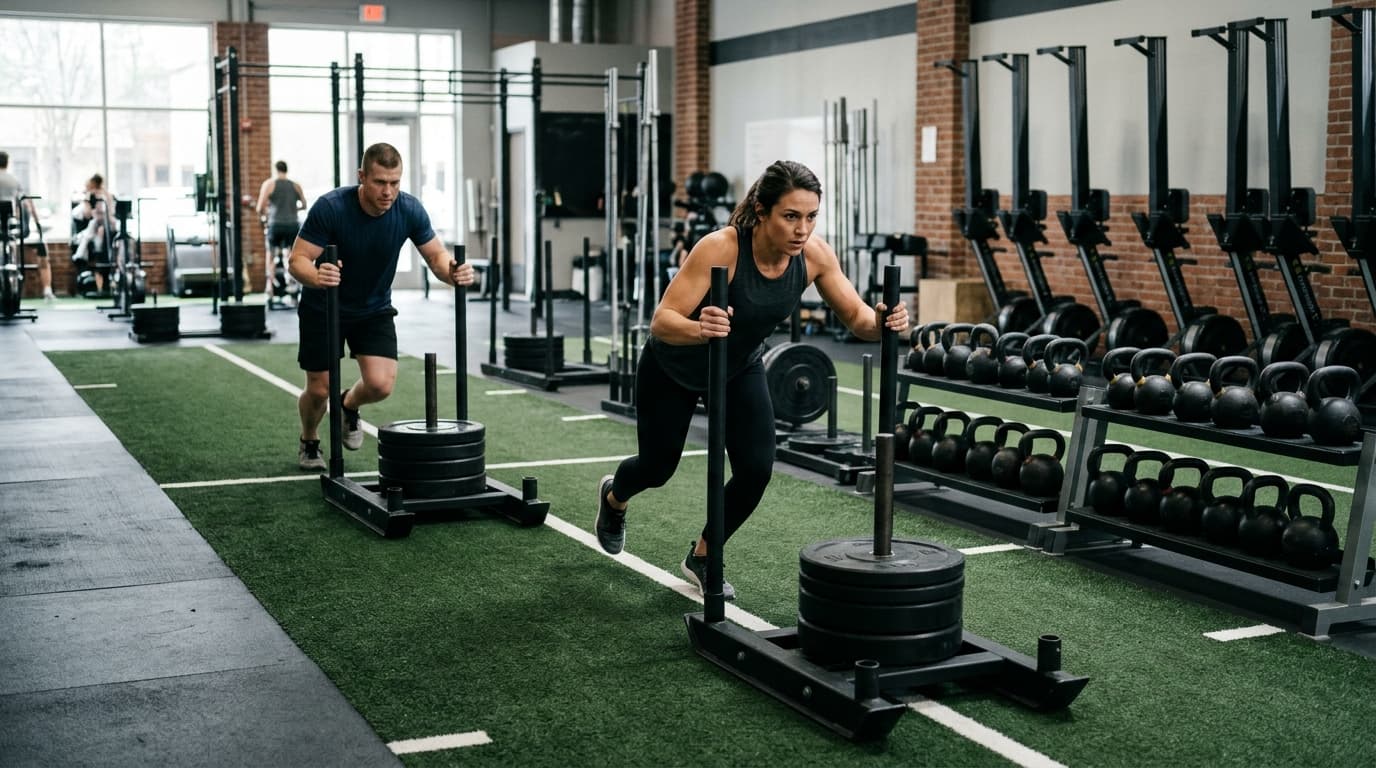
Unlike traditional bodybuilding, which focuses solely on hypertrophy, or pure endurance running, which focuses heavily on cardiovascular efficiency, hybrid racing demands both. Competitors must push heavy sleds, perform high-repetition functional movements, and run for extended periods. This combination creates a massive caloric burn and induces significant muscle damage.
To recover from this unique stimulus, hybrid athletes should aim for the upper end of the optimal protein range (around 1.0 grams per pound of body weight). Furthermore, they must prioritize carbohydrate intake before, during, and after long training sessions to replenish depleted glycogen stores.
Failing to consume enough protein and carbohydrates during intense hybrid training cycles can lead to under-recovery, chronic fatigue, and diminished performance on race day. Proper fueling strategies are just as important as the training program itself when preparing for the rigors of a hybrid fitness competition.
Fueling for hybrid training and heat in San Antonio
Training at SVRN Core in San Antonio requires balancing high protein intake with proper hydration to handle the Texas heat and the demands of official HYROX and DEKA training. High protein consumption increases nitrogenous waste, requiring higher fluid intake for proper renal filtration.
San Antonio experiences extreme subtropical heat and high humidity for much of the year. When you combine heavy strength and conditioning workouts with elevated protein intake, your hydration needs skyrocket. Protein metabolism naturally requires more water to process, and when you factor in heavy sweating during a tough session on the training floor, staying hydrated becomes a primary performance metric.
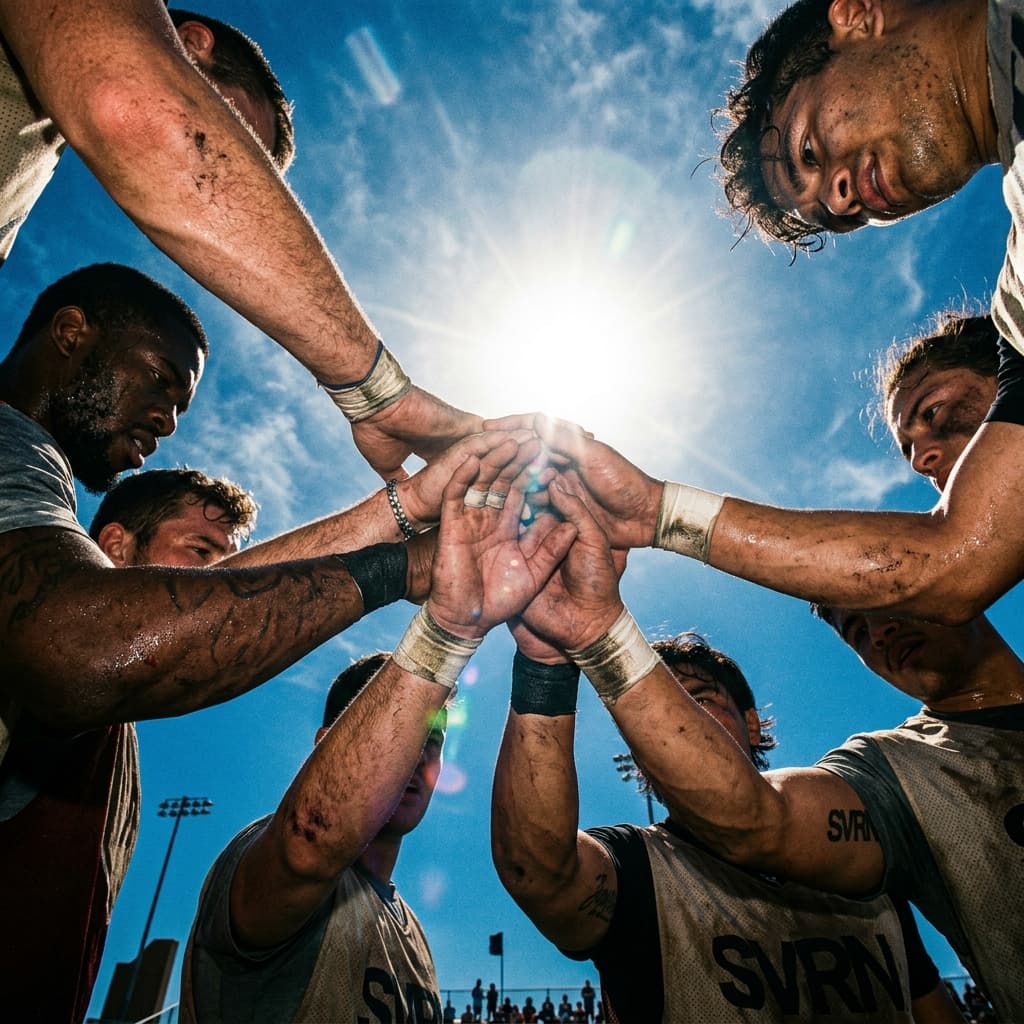
As a faith-driven strength and conditioning gym where everyone is welcome regardless of faith, SVRN Core provides the equipment and community support you need to push your limits safely. Whether you are preparing for a local functional fitness event or simply aiming to build strength for everyday life, dialing in your nutrition and hydration is critical. We proudly partner with Transparent Labs to offer high-quality supplement options that complement a well-rounded, whole-food diet.
Local active-duty military personnel and tactical athletes in San Antonio also face rigorous physical readiness tests. Balancing protein for recovery with carbohydrates for endurance, while managing hydration in the heat, ensures peak physical readiness year-round.
Key takeaways
- Optimal targets: Aim for 1.6 to 2.2 grams of protein per kilogram of body weight (0.7 to 1.0 grams per pound) daily to build muscle.
- Meal distribution: Spread your intake across three to four meals, aiming for 20 to 40 grams of high-quality protein per meal.
- Deficit adjustments: If you are eating in a caloric deficit to lose fat, your protein needs increase to help preserve lean muscle mass.
- Daily volume over timing: Total daily protein intake is more important for muscle growth than rushing to consume a shake immediately after a workout.
- Carbohydrates matter: Do not neglect carbohydrates; they are essential for fueling the high-intensity training required to stimulate muscle growth.
- Hydration is key: High protein intake combined with the San Antonio heat requires diligent water and electrolyte consumption.
Take your training to the next level at SVRN Core
Understanding your nutritional needs is only the first step; applying that knowledge consistently in a supportive environment is what drives real results. At SVRN Core, we offer comprehensive group strength, conditioning, and hybrid training programs designed to help you build muscle and improve your overall fitness.
Explore our classes to see how our programming can challenge you, or check out our memberships to find the right fit for your goals. If you have questions about our facility or schedule, visit our FAQ page or reach out directly through our contact page. For those looking to supplement their nutrition, we carry a range of trusted products on our supplements page.