Knowing how to recover after a hard workout requires a structured approach to nutrition, hydration, active rest, and sleep. To fully repair muscle tissue and ease soreness, athletes must consume adequate protein, replenish lost electrolytes, perform light active recovery, and secure quality rest for optimal physiological adaptation.
Understanding how to recover after a hard workout is just as critical as the training session itself. When athletes push their bodies through intense strength and conditioning sessions, they create micro-tears in muscle fibers, stress the central nervous system, and deplete stored energy. Proper recovery protocols ensure that the body rebuilds stronger, adapting to the stimulus provided during exercise. Without an effective recovery strategy, trainees risk accumulating fatigue, experiencing prolonged delayed-onset muscle soreness (DOMS), and stalling their overall fitness progress.
Many fitness enthusiasts invest countless hours optimizing their training programs but overlook the essential physiological processes that occur after they leave the gym floor. To maximize results and maintain long-term athletic performance, mastering how to recover after a hard workout is a fundamental requirement. This comprehensive guide breaks down evidence-based strategies for nutrition, hydration, active rest, and therapeutic modalities to help you bounce back faster and train harder.
What Should You Eat to Recover After a Hard Workout?
The foundation of how to recover after a hard workout begins with immediate and strategic post-training nutrition. Food provides the raw materials necessary to repair damaged tissue and restore depleted energy reserves. Consuming at least 20 grams of protein immediately post-workout provides the necessary amino acids to initiate muscle protein synthesis and rebuild damaged micro-tears in muscle fibers, according to the Cleveland Clinic.
Protein acts as the building block for muscle repair. When you engage in heavy resistance training or rigorous conditioning, the structural integrity of your muscle fibers is compromised. Delivering a fast-absorbing protein source shortly after your session helps shift the body from a catabolic state (muscle breakdown) to an anabolic state (muscle building). For those utilizing supplements to meet these targets, high-quality whey or plant-based proteins can be highly effective. You can explore options through our Supplements page, which features Transparent Labs products.
Alongside protein, carbohydrate intake is a vital component of how to recover after a hard workout. Carbohydrates are responsible for replenishing glycogen, which is the primary fuel source your muscles use during high-intensity exercise. Failing to consume adequate carbohydrates post-workout can leave you feeling lethargic and under-fueled for your next training session. A balanced post-workout meal should ideally contain a strategic ratio of carbohydrates to protein, ensuring that both tissue repair and energy restoration are addressed simultaneously.
How Does Hydration Impact Post-Workout Recovery?
Restoring fluid balance is a non-negotiable step in how to recover after a hard workout, especially in extreme climates. In San Antonio, athletes routinely face extended summer weather conditions with temperatures reaching or exceeding 100°F and heat index values up to 112°F. Exercising in high heat and humidity drastically accelerates fluid and sodium loss through sweating, making aggressive rehydration mandatory for safe recovery.
The City of San Antonio emphasizes the importance of monitoring for heat exhaustion—which presents as weakness, nausea, heavy sweating, and dizziness—and recognizing the severe signs of heat stroke. In humid Texas heat, sweat evaporation is minimal, which shifts core body temperature regulation. Trainees must focus on immediate core temperature cooling, such as utilizing air-conditioned indoor facilities, cool mists, or forearm cooling, while simultaneously replacing lost fluids.
When learning how to recover after a hard workout in the heat, plain water is rarely sufficient. Heavy sweating depletes vital electrolytes, particularly sodium, which are required for muscle contraction and nerve function. Replacing lost sodium alongside water is critical to prevent hyponatremia and severe muscle cramping during recovery.
| Hydration Phase | Strategy | Key Focus |
|---|---|---|
| Pre-Workout | Consume 16-20 ounces of water 2 hours before training. | Establish baseline hydration before entering the heat. |
| Intra-Workout | Sip fluids regularly; include electrolytes for sessions over 60 minutes. | Maintain blood volume and delay severe dehydration. |
| Post-Workout | Consume fluids with sodium; utilize air conditioning for core cooling. | Restore fluid balance and lower internal body temperature rapidly. |
Does Active Recovery Work Better Than Complete Rest?
When planning how to recover after a hard workout, many athletes debate between complete passive rest and engaging in active recovery. Performing low-intensity, active recovery exercises—such as walking, light cycling, or swimming—increases localized blood flow, assisting in muscle recovery and reducing delayed-onset muscle soreness compared to passive rest.
The physiological mechanism behind active recovery is straightforward. When you engage in light movement, your heart rate elevates slightly, pumping oxygen-rich blood and vital nutrients to fatigued muscles. This enhanced circulation helps clear out metabolic byproducts that accumulate during intense exercise. By keeping the muscles moving through a gentle range of motion, you also prevent the stiffness and tightness that typically set in 24 to 48 hours after a grueling session.
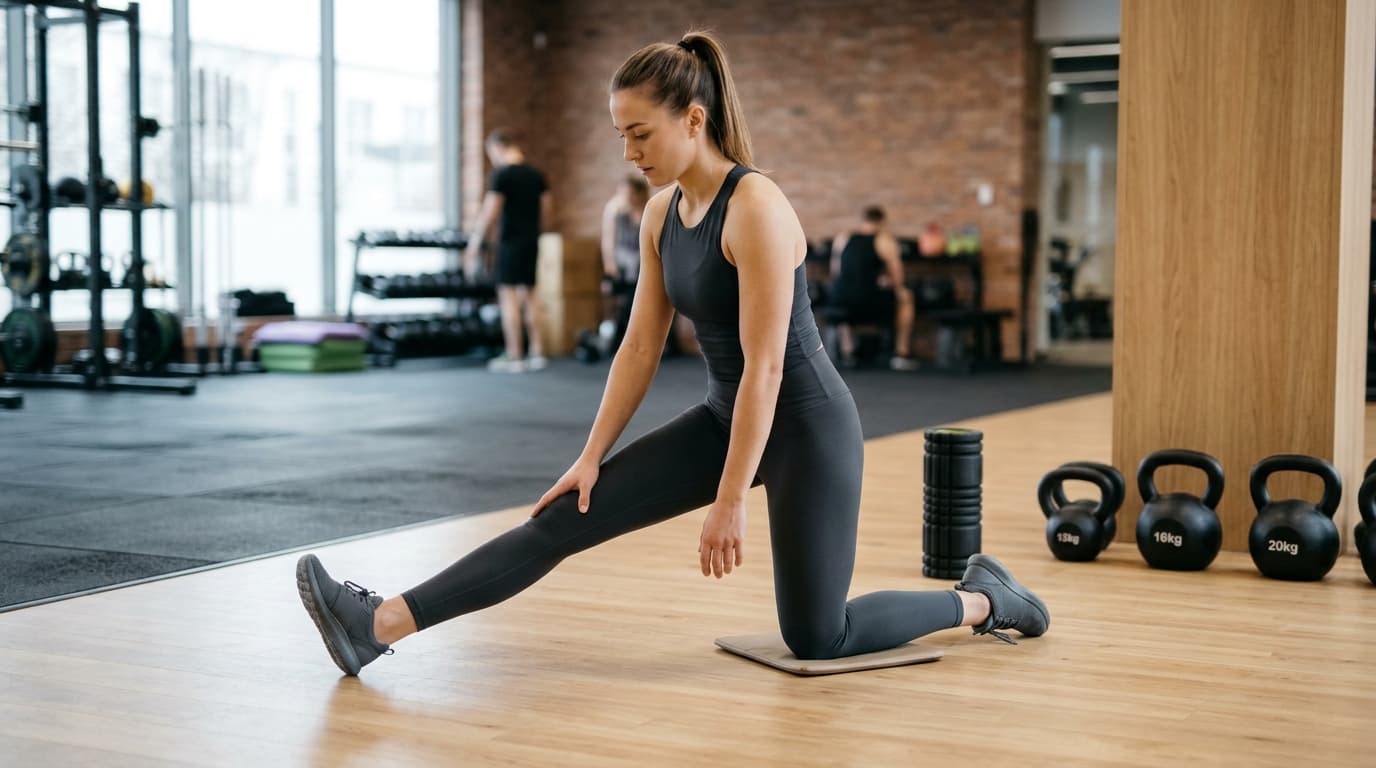
To effectively implement active recovery into your routine, keep the intensity extremely low. The goal is not to induce further fatigue or break a heavy sweat, but simply to facilitate movement. A 20-minute brisk walk, a relaxed session on a stationary bike, or a dedicated mobility and stretching routine are excellent choices for anyone figuring out how to recover after a hard workout without adding unnecessary stress to the central nervous system.
Should You Take an Ice Bath or Get a Massage?
Figuring out how to recover after a hard workout often leads to questions about popular therapeutic modalities like cold water immersion and massage therapy. However, sources disagree on the use of cold water immersion, commonly known as ice baths. Some general wellness sources recommend ice baths to dull acute pain and reduce immediate inflammation. Conversely, human performance physiological literature highlights that post-workout cold water immersion blunts muscle hypertrophy (muscle growth) and cellular signaling when used immediately after strength training.
Because sources disagree on the efficacy of cold exposure for strength athletes, it is highly recommended that you check with a professional instead of picking a method blindly. If your primary goal is building muscle mass, plunging into an ice bath directly after lifting heavy weights may counteract the very adaptations you are working hard to achieve. In these cases, it may be wiser to separate cold therapy from your strength training sessions entirely.
On the other hand, soft-tissue work has robust clinical backing. A meta-analysis published in Frontiers in Physiology found that massage is the single most effective technique for reducing delayed-onset muscle soreness and physical fatigue, while both massage and cold exposure are effective for reducing inflammation. Incorporating foam rolling, sports massage, or targeted soft-tissue therapy can significantly enhance your physical readiness for subsequent training days.
How Long Does It Take for Muscles to Fully Recover?
Understanding the body's natural timeline is crucial for anyone learning how to recover after a hard workout. Beginners typically require 48 to 72 hours of recovery time between intense sessions targeting the same muscle groups, while advanced athletes often recover faster due to physiological adaptation. This window allows the body sufficient time to complete the inflammatory response, clear damaged cells, and synthesize new muscle proteins.
During this 48 to 72 hour window, sleep plays the most critical role in the recovery process. While nutrition and hydration set the stage, the actual repair of muscle tissue occurs primarily while you sleep. Deep, slow-wave sleep is the period when the body releases the highest concentrations of human growth hormone, which stimulates tissue growth and muscle repair.
- Prioritize Sleep Duration: Aim for 7 to 9 hours of uninterrupted sleep per night to maximize the release of restorative hormones.
- Maintain a Consistent Schedule: Going to bed and waking up at the same times regulates your circadian rhythm, improving overall sleep quality.
- Optimize the Sleep Environment: Keep your bedroom cool, dark, and quiet to facilitate deeper stages of restorative sleep.
- Limit Evening Stimulants: Avoid caffeine and heavy meals close to bedtime to prevent disruptions in your sleep architecture.
Key Takeaways
- Consuming at least 20 grams of protein immediately post-workout is essential to initiate muscle protein synthesis and repair tissue.
- Exercising in extreme heat requires aggressive rehydration with both water and sodium to prevent hyponatremia and restore fluid balance.
- Low-intensity active recovery exercises like walking or light cycling reduce muscle soreness more effectively than complete passive rest.
- Massage is highly effective for reducing DOMS, while post-workout ice baths may blunt muscle growth if used immediately after strength training.
- Muscles typically require 48 to 72 hours to fully recover from intense exercise, with the majority of tissue repair occurring during deep sleep.
HYROX and DEKA Training at SVRN Core in San Antonio
SVRN Core is a faith-driven strength and conditioning gym in San Antonio, offering specialized programming as an official HYROX and DEKA training gym. Everyone is welcome, regardless of faith, to train in our facility located at 10823 Vandale St. Ste 101, San Antonio, TX 78216. With free parking and easy access close to US 281 and Loop 410, we provide the ideal environment and equipment for athletes looking to push their limits and optimize their recovery. To experience our programming firsthand and see how we structure training for maximum results, check out our Classes.
If you are ready to take your strength, conditioning, and recovery protocols to the next level, our team is here to help. Proper programming ensures that your hard work in the gym translates into tangible results without leading to overtraining. For more information on our schedule, facility hours, or to get in touch with our staff, visit our Contact page. If you have additional questions about training with us, browse our FAQ to learn more about the SVRN Core experience.